Reliable Fence Repair Services: Reclaim Your Fence's Beauty and Durability
Expert fence repair services play an essential role in maintaining the aesthetic and functional integrity of residential and commercial properties. Fences endure various types of damage, from rot to pest infestation, which can undermine security and property value. Experienced professionals evaluate these concerns carefully and devise efficient repair approaches. Recognizing the intricacies of fence repair can greatly impact long-term maintenance. What measures should property owners take when confronting these issues?
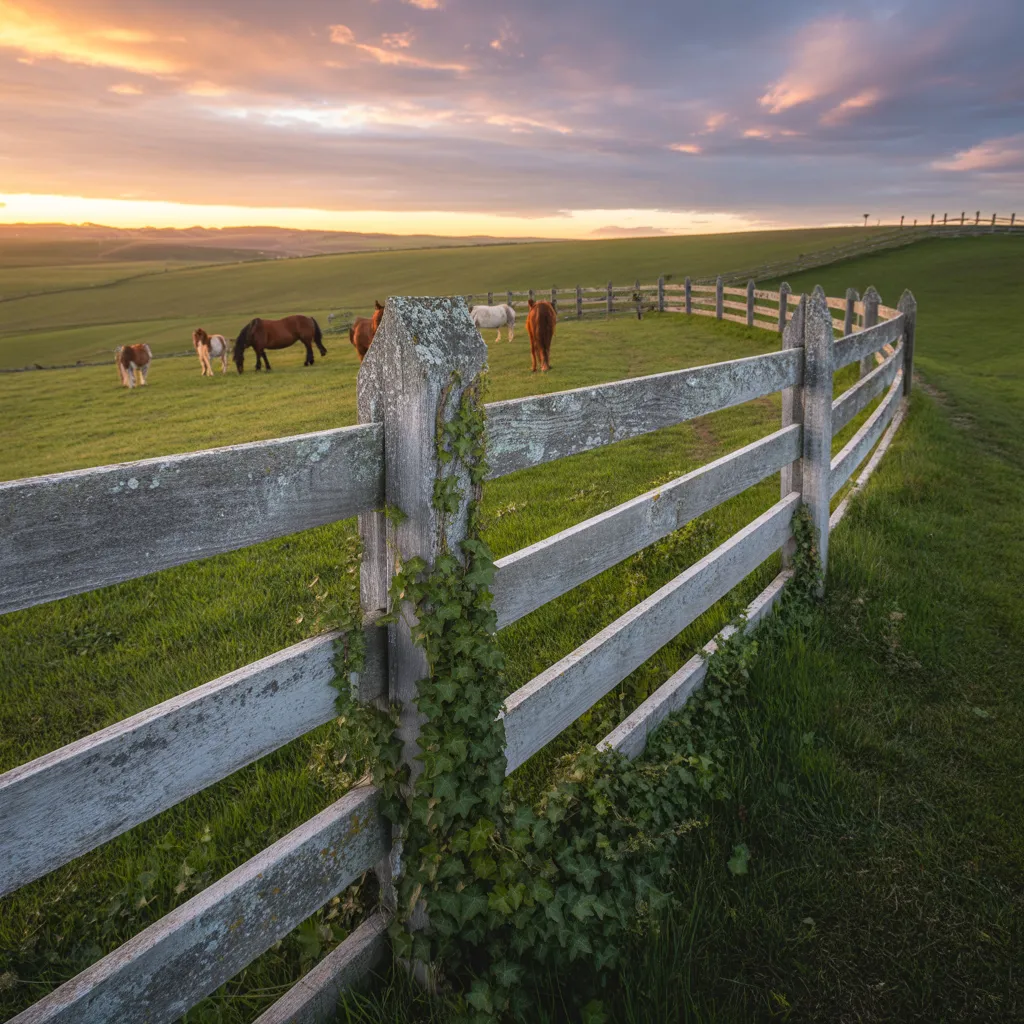
Importance of Fence Repair for Property Value and Safety
Preserving a properly maintained fence serves a vital purpose in ensuring the security and value of any property. A sturdy and aesthetically pleasing fence enhances the overall appeal of a property, raising its appeal to those looking to purchase. A complete and undamaged fence establishes clear boundaries, giving both residents and their pets a safe and secure environment. Ignoring necessary fence repairs may cause progressive damage, potentially lowering property value while raising the likelihood of safety hazards.
Furthermore, a compromised fence can invite intruders and wild animals, posing potential safety hazards. Timely repairs can prevent further complications, guaranteeing the fence performs its function as designed. Routine upkeep also prolongs the life of the fence, helping homeowners avoid costly expenses over time. Essentially, emphasizing fence repair not only maintains the structural integrity but also upholds the safety and aesthetic value of the property.
Common Kinds of Fence Damage and Their Underlying Causes
Fences are frequently damaged by various environmental and biological factors. Climate-related concerns, such data as heavy rain, snow, or extreme heat, can weaken materials and lead to structural problems. Moreover, infestations of pests can damage the structural integrity of a fence, making timely repairs essential for upholding safety and visual appeal.
Climate-Related Damage Factors
Severe weather conditions can substantially compromise the integrity of fences, causing various types of damage. Strong winds often cause panels to bend or break, while excessive rainfall can lead to saturated ground that compromises the fence's foundation. Heavy snowfall can exert additional pressure, causing stress or deterioration, especially in wooden fences. Furthermore, extreme temperatures can cause materials to expand or contract, leading to splitting and distortion. UV exposure from intense sunlight can break down finishes and erode material strength over time. Such weather-induced conditions not only affect the aesthetic appeal of a fence but also its performance, making prompt maintenance essential to guarantee durability and maintain property value. Periodic assessments can help uncover developing concerns before they escalate.
Pest Infestation Issues
Infestations by pests can quietly compromise the structural soundness of a fence, causing significant deterioration over time. Common culprits include termites, which consume wooden structures, causing structural weakness and possibly collapse. Another destructive species, carpenter ants, excavate wood to establish nests, continually undermining the fence's stability. Furthermore, rodents may chew through fencing materials, looking for shelter or food. Such infestations frequently remain undetected until significant harm has occurred, leading to the need for costly repairs or replacements. Consistent monitoring and swift treatment are necessary to reduce these risks. By addressing pest issues early, homeowners can maintain the beauty and functionality of their fences while preventing long-term damage caused by these harmful organisms.
How to Spot Fence Damage
A complete examination can identify numerous indicators of fence deterioration that could easily go unnoticed. Residents should begin by checking the structural posts for deterioration or rot, typically located at ground level where moisture accumulates. Cracks or warping in the wood can indicate compromised structural integrity. Moreover, checking for loose or missing nails and screws is essential, as they may undermine the fence's overall strength.
An additional key consideration is to assess the panels for distortion or slanting, which could signal structural concerns. Metal fences should be checked for rust or corrosion, while vinyl fence panels might display fading or cracking. Additionally, gaps between the fence and the ground can signal soil erosion or pest infiltration. Consistent evaluations help homeowners to identify these issues early, allowing for quick resolutions that copyright the fence's performance and visual appearance.
What Do Fence Repair Experts Do?
Fence restoration specialists evaluate and resolve numerous problems to reinforce and preserve the overall condition of fence installations. They initiate the process with a thorough inspection, detecting problems like weakened panels, oxidized hardware, or foundational damage. After the issues have been identified, the experts design a tailored repair plan that can consist of installing new panels, adding weatherproof treatments, or strengthening vulnerable areas.
Beyond physical repairs, skilled fence technicians further extend upkeep guidance to increase the longevity of the fence. This often encompasses recommendations for periodic evaluations, thorough cleaning, and defense against pests and weather-related wear. Should the situation require it, they can assist in selecting appropriate materials that complement the current fence design while guaranteeing durability. At the core of their service, their expertise guarantees that the fence not only looks appealing but also functions effectively, providing security and value to the property.
Why Should You Hire a Fence Repair Expert?
Why should property owners consider hiring a fence repair expert? Hiring a professional ensures that repairs are completed with efficiency and precision, protecting the structural integrity of the fence. Professionals have the required expertise, equipment, and understanding to evaluate damage precisely and apply suitable remedies. This expertise helps in identifying underlying issues that may not be visible to the untrained eye, preventing future complications.
Additionally, professionals are well-versed in local regulations and can maintain regulatory compliance, reducing potential legal complications. Enlisting a specialist also preserves time; homeowners can sidestep the guesswork commonly tied to DIY fixes. Beyond that, a properly restored fence improves curb appeal and property worth, offering a measurable return on the expenditure. In the end, property owners can enjoy peace of mind knowing that their fence is in capable hands, allowing them to focus on other important aspects of home maintenance.
DIY or Professional Fence Repair: Which Option Is Right for You?
When considering fence repair, one must evaluate one's own abilities and the time commitment required for the task. Furthermore, a financial comparison between doing it yourself and hiring a professional can significantly impact the decision. Considering these elements will assist in identifying the most practical approach for fence repair.
Evaluate Your Skills Honestly
Figuring out whether to approach fence repair by yourself or seek out professional help copyrights on an honest evaluation of your capabilities. Individuals must critically examine their experience with tools and understanding of fencing materials. Those with a background in home improvement may feel confident handling minor repairs, such as replacing boards or tightening nails. On the other hand, complex issues like structural damage or electrical components require professional expertise that may surpass what an inexperienced person can handle. Furthermore, assessing your physical endurance is essential; fence repair can call for substantial energy. Ultimately, acknowledging your own limits can prevent costly mistakes and confirm that work reinstates the fence's performance and visual appearance. Choosing wisely will lead to a greater sense of satisfaction, whether opting for a DIY approach or hiring a professional.
Assess Time Commitment Required
The amount of time available for fence repair plays a significant role in the choice between a DIY method and hiring a professional. Homeowners must realistically assess their time constraints and availability. A DIY project can appear attractive, but it often requires a significant time investment, particularly for those without prior experience. Tasks such as removing old materials, measuring, and installing new sections can be lengthy and labor-intensive. In contrast, experienced professionals contribute efficiency and know-how, often completing repairs in a fraction of the time. In evaluating the time involved, homeowners should also account for possible setbacks caused by weather or unexpected issues. Ultimately, a clear understanding of available time can guide homeowners toward the most appropriate solution for their fence repair needs.
Cost Analysis: DIY vs. Professional Services
While weighing the expenses of repairing a fence yourself against working with a professional contractor, homeowners should consider not only the monetary expense but also the value of their time and effort. Self-managed repairs often appear less expensive upfront, primarily consisting of material costs. However, homeowners must consider the risk of missteps, which can result in additional expenses. On the other hand, professional services may have elevated starting prices, but they offer expertise, quality workmanship, and a warranty, ensuring enduring value. Assessing the scope of the repair is crucial; simple fixes may lend themselves to DIY, while extensive damage may call for professional intervention. Ultimately, the decision copyrights on finding equilibrium between current costs and future value and the homeowner's familiarity with DIY tasks.
Tips for Maintaining Your Fence After Repairs
After completing fence repairs, homeowners should make proper maintenance a priority to extend the lifespan of their investment. Frequent inspections are crucial; examining for loose boards, rust, or indicators of rot can stop minor problems from worsening. Periodically cleaning the fence with a soft soap solution works to clear away dirt and mildew, keeping it looking its best.
Furthermore, applying a sealant or stain for protection every couple of years will guard the material from weather damage and UV rays. Property owners should also ensure that surrounding vegetation is cut back to keep overgrowth from causing damage to the fence.
Proper drainage is critical; confirming that water does not pool near the base of the fence can prevent harm caused by excess moisture. Finally, maintaining a clear boundary around the fence helps prevent unintentional contact from yard tools or large objects. Adhering to these guidelines will preserve the fence's appearance and performance well beyond the repair process.

Frequently Asked Questions
How Long Does a Typical Fence Repair Take?
An average fence repair usually takes between a few hours to a couple of days, depending on the extent of the damage and the materials involved. Weather conditions and other factors may also affect the timeframe.
Which Materials Work Best for Fence Repairs?
Wood, vinyl, and metal are ideal materials for fence repairs. Each offers distinct benefits: wood enhances visual appeal, vinyl guarantees durability, and metal provides superior strength. Selecting the appropriate material relies on individual requirements and environmental conditions.
Is It Possible to Paint My Fence Following Repairs?
Painting a fence following repairs is indeed possible and frequently advised. This improves the appearance and offers added protection. It is essential to ensure the surface is clean and dry prior to applying paint for optimal adhesion and durability.
Are Home Repairs Covered Under Homeowners Insurance?
Repairs may be covered by homeowners insurance, based on the specific policy terms and the nature of the damage. Homeowners should review their specific coverage details or consult their insurance provider for clarification on repair eligibility.
What Should I Do if My Fence Is Leaning?
When a fence begins to lean, the homeowner ought to determine the underlying cause, including rot or ground erosion. Reinforcing the posts or adjusting the level might be required, and professional help could guarantee a long-lasting solution.